
Family Dinner: A Simple Prescription for Connection and Resilience
WRITTEN BY COMMUNITY BLOG CONTRIBUTOR TASHA BELIX
One in five youth in Canada is struggling
with a mental health condition.
Not every young person will follow up with a family doctor or mental health clinician. But there is another resource available: the family itself.
Connection within the family matters. Not only do we heal in relationship but a strong family system is also a protective factor. In fact, strengthening the resources within our families can be an important part of supporting children's and teens' mental health.
Sometimes I feel we need a public service announcement: go back to the basics.
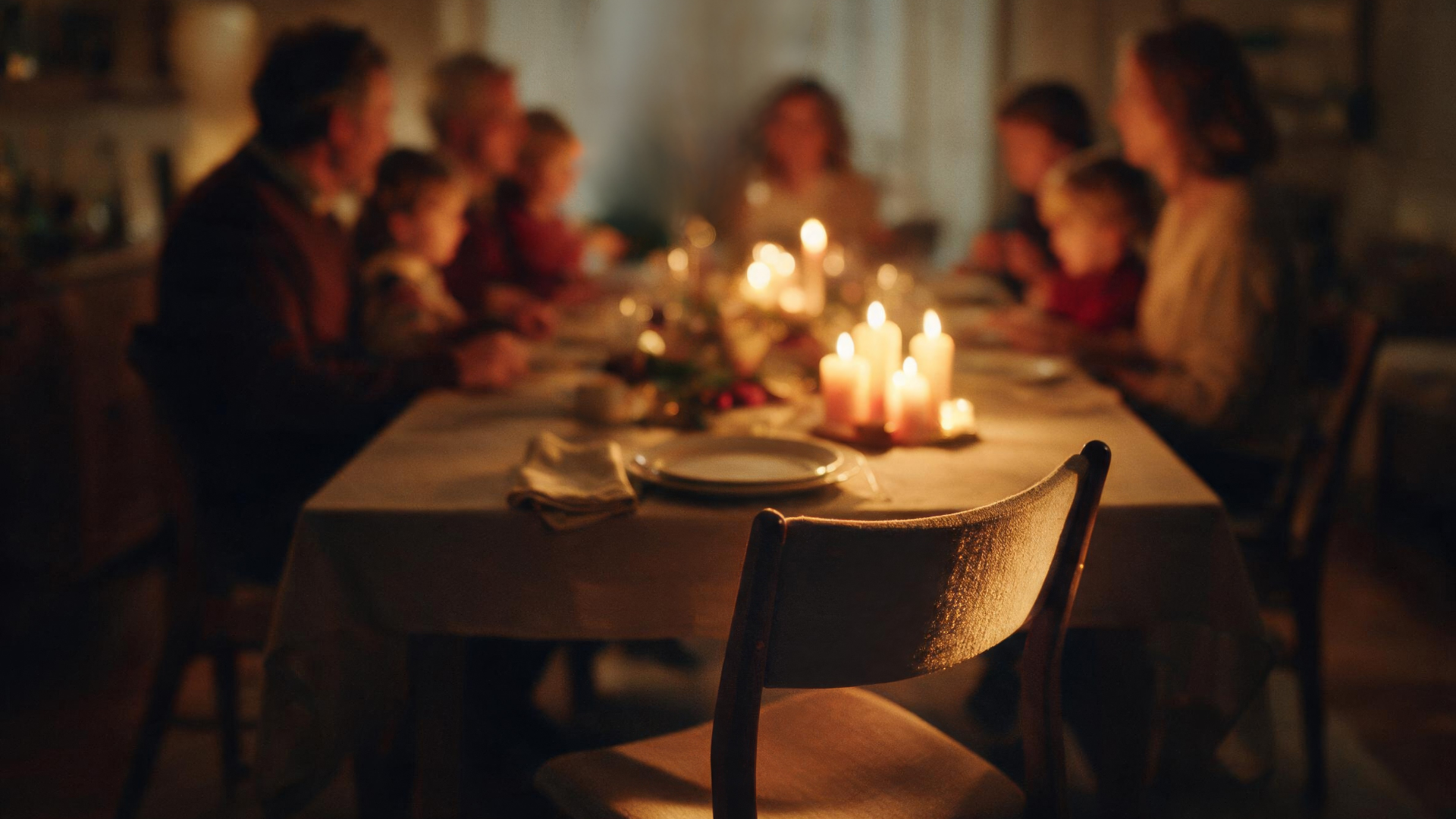
What Are We Missing?
Research shows that over the past several decades, family life has become increasingly disconnected.
When I think back to my own busy sports schedule with my daughters as they were growing up, I remember feeling frazzled. We seemed to be constantly rushing off to another activity, another practice, another commitment.
I think we were all exhausted.
When I looked around at my peers, everyone seemed to be doing the same thing. It felt normal -honestly, even expected. Looking back, I wonder if we were missing some of the fundamental pieces that help families thrive.
There is tremendous power in connection.
Creating rituals that make connection a priority. Making space where things aren't rushed. Having predictable moments where everyone can simply be together. In my opinion, family dinners may be just what the doctor ordered.
Why Family Meals Matter
Family meals are about much more than nutrition. They create a predictable opportunity for connection, conversation, modelling, and offer a sense of belonging.
Research highlighted by the American College of Pediatricians has associated regular family meals with a number of positive outcomes for children and adolescents, including:
Protection against disordered eating and eating disorders.
Fewer depressive symptoms among adolescents who participate in more frequent family meals.
Teens who eat dinner with their families seven times a week are more likely to earn mostly A's and B's at school.
Greater feelings of closeness with family members among teens who regularly eat meals with their families.
Opportunities to develop social skills, table manners, communication, and problem-solving in a natural, everyday setting.
A greater sense of safety and security because children have a predictable anchor in their day.
Opportunities for young people to observe adults negotiate, solve problems, express emotions, disagree, repair, and treat one another with respect.
And there is something else happening around the dinner table that is easy to overlook.
A family meal engages our senses: the sight, smell, taste and texture of food, alongside the sounds of conversation, laughter, disagreement and storytelling.
These ordinary moments can become the extraordinary building blocks of family life.
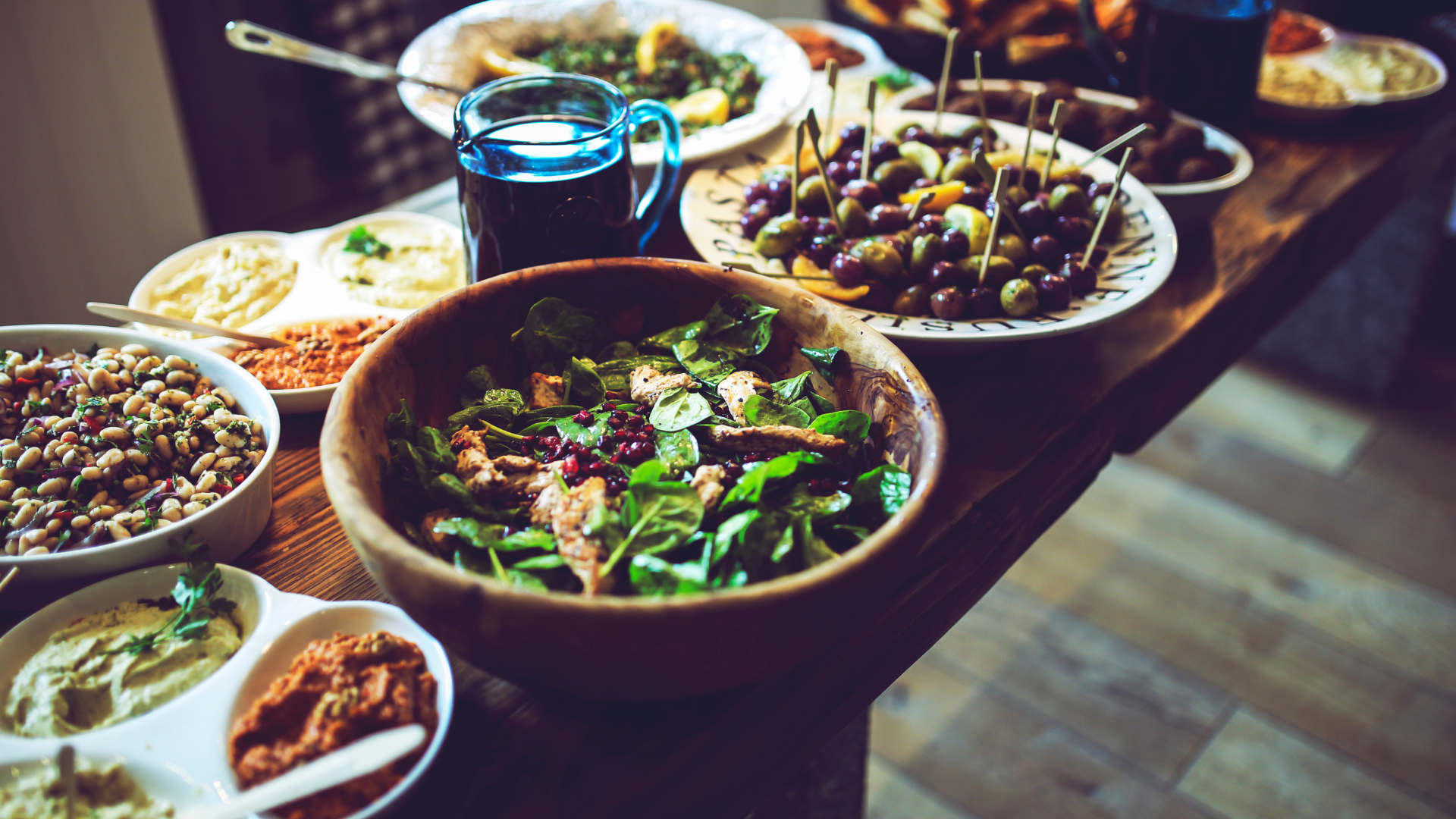
Protective Factors Don't Have to Be Expensive
In a world that is becoming increasingly disconnected, we need small, practical ways to strengthen family and community bonds.
These are protective factors that don't require a membership, an app or a significant financial investment. They do require something else: intention, consistency and a little cognitive energy to establish the routine.
I know that parents are often pushed to the max. When we're cognitively overloaded, even a small change can feel enormous. We don't problem-solve as effectively, and adding "one more thing" to the family schedule can feel impossible.
So let's not aim for perfect. Start small. One small change, consistently repeated over time, can make a profound difference.
In James Clear's book, Atomic Habits, he describes this idea beautifully: meaningful change is often built through small, consistent improvements rather than dramatic overnight transformations.
Think of it as a 1% shift.
You don't have to transform your family life tomorrow. You can simply create one more opportunity for connection this week -and then repeat it. And over time, the result will pay in off in dividends.
Start With a Connection Ritual
In today's busy, screen-filled culture, we have to intentionally create space for connection.
Maybe that starts with a simple: "no phones at the dinner table." Or, as one teen client recently described it, her dad says: "Stack phones."
Everyone puts their phone in a stack on the table, and nobody checks their phone until everyone is finished eating. Simple. Concrete. Predictable.
The goal isn't to create another rigid family rule. It's to create a protected space where people can actually be together. You have an opportunity to catch the little things… and celebrate the little things… before they become bigger things.
A difficult day at school. A friendship problem. A small win. A new interest. A worry that has been sitting quietly in the background. You get to hear about it while it's still manageable.
Our Kids Notice When Family Connection Disappears
In my sessions with teens and young adults, I've heard a surprising amount of grief about the loss of family meals. Young people talk about eating in their bedrooms, eating while scrolling on their devices, or everyone warming up their own processed meal and eating according to their own schedule.
It's not just adults who notice when this daily ritual disappears. Kids notice, too.
Many of them crave those simple family moments; the loud debates, the laughter, the arguments about current events, the stories about someone's day and the predictable opportunity to check in. They may not always ask for it, but they often benefit from it; everyone in the family does.
Protect the Developing Brain
There is also an opportunity to think about what we are pairing together during mealtimes.
Today's young people have remarkably easy access to highly rewarding, dopamine-rich experiences, from highly processed foods to social media, gaming and other forms of digital entertainment.
When we consistently stack these experiences together, for example, pizza, a screen and gaming at every meal, we can unintentionally create very powerful associations and habits. Not to mention the autopilot method of eating without really notices what is going in your mouth.
Our understanding of neuroscience continues to remind us that repeated experiences strengthen neural pathways. Dan Siegel says, "what fires together, wires together”.
Family dinner doesn't need to be another highly stimulating experience. Sometimes the gift is simply food, conversation and people.
Dinner Is a Place to Build Identity
A family meal also gives us an opportunity to notice and celebrate the person our child is becoming.
We can:
Celebrate strengths and character.
Talk about family values.
Ask questions and genuinely listen.
Encourage curiosity.
Discuss current events and hear a young person's unique perspective.
Notice effort, not just achievement.
Give our kids opportunities to contribute.
Set our eyes on them, to get a “feel” of how they are doing.
This is especially important for young people who may not experience many "wins" in other areas of their lives. Remember, self-esteem is built through lived experience.
We develop a stronger sense of ourselves when the people around us notice our contributions, respond to us and reflect back the good they see in us. A family dinner can become a natural place for that to happen.
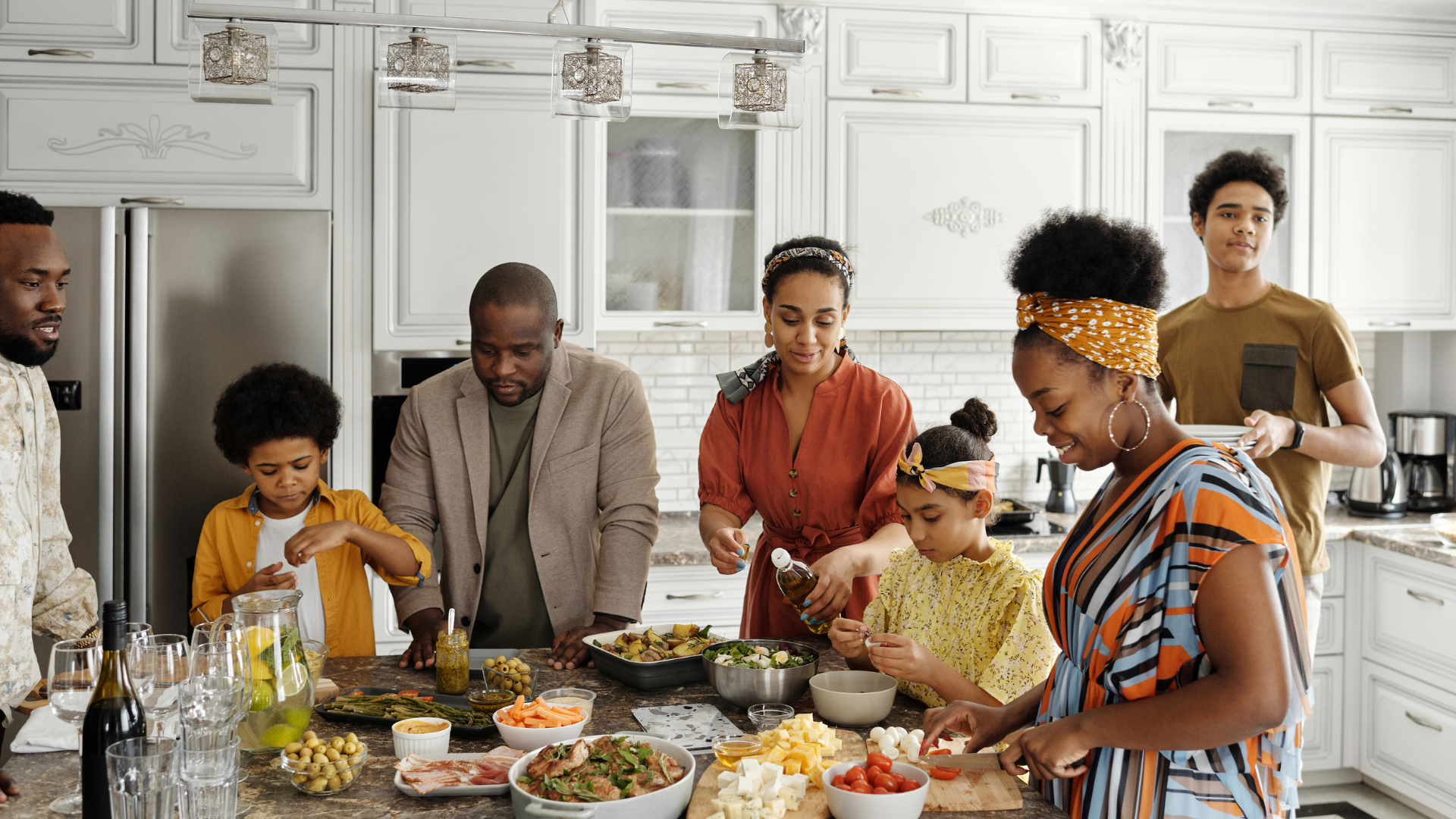
Let Your Kids Cook
On a practical level, family meals are also an opportunity to teach life skills. Kids often want to cook. They want to try new recipes. They want to experiment. Give them the opportunity.
At first, you might cook together. Then perhaps you move to cooking from the sidelines. Eventually, you may simply offer encouragement and say: "Thank you. That was a great meal."
Cooking is a wonderful place for young people to experience competence and independence, and learning to meal-plan, grocery shop and prepare a few basic meals can save a significant amount of money over the years.
Here's a challenge: add up what your family spent on restaurants, coffee shops and food delivery over the past year. You might be surprised. That money could have contributed to a gym membership, a semester of university, a family holiday, or simply provided some much needed financial breathing room. I am going to keep my shocking tally to myself, but consider me motivated to change.
Don't Forget The Chores
Yes, a group clean-up after dinner is not child abuse. (Direct quote from Tasha Belix, Registered Psychologist) It's part of being a family.
Research has found associations between children's participation in household chores and positive outcomes, including a stronger sense of competence and responsibility.
My Adlerian training has reinforced for me that a sense of belonging is essential for human beings to thrive. One way children experience belonging is by knowing: "my family needs me." “If I weren’t here, my family wouldn’t function as well.”
The Grade 1 child who empties the dishwasher. The Grade 5 child who helps with packing lunches. The 16-year-old who makes dinner once a week because their parents are working late. These aren't just chores. They are opportunities to develop agency, competence, responsibility and purpose.
We don't want to accidentally do too much for our kids.
When we do too much for them, we can unintentionally take away opportunities for them to discover:
"I can do this."
"I'm capable."
"My family counts on me."

Simple Conversation Starters
You don't need a complicated family meeting or a list of deep therapeutic questions.
Try one of these:
Rose & Thorn
What was the best part of your day? What was the hardest?
Highlight & Lowlight
What was one good thing today? What was one difficult thing?
Something You Learned
What is something new you learned today?
Current Event
What's happening in the world that you have an opinion about?
One-Minute Rant
You get one uninterrupted minute to complain about anything.
Sometimes the best conversations happen when we're not trying too hard to have a conversation.
And Maybe One Day...
Maybe, just maybe, one day your teenager will look across the table and tell you something they wouldn't trust anyone else to help them with.
"Something happened to me at a party a while ago."
"I wonder if I might have depression."
"Math is really hard this year, and I think I might need some extra help."
"I'm really worried about my friend."
Those moments never happen because we delivered the perfect parenting lecture. They happen because we have built a relationship in which our young person knows there is a place to bring hard things. That is the power of the predictable space, that isn’t hurried, but a time that can be counted upon.
Start Where You Are
Bringing back family dinner doesn't mean everyone has to sit down together seven nights a week. Life is busy. It needs to be doable if change is going to last. Sports schedules are complicated. Parents work late. Kids have homework. Families are tired. So start where you are.
Maybe it's three nights a week, maybe it's Sunday dinner, a big breakfast on Saturday, or maybe it's eating together before one child runs off to hockey and another heads to dance?
The goal isn't perfection. The goal is connection.
In a world where so much is competing for our children's attention, creating a predictable space to sit together, eat together, listen to one another and belong to something bigger than ourselves is an investment worth making.
The family table won't solve every mental health challenge, but it can give our kids something incredibly valuable:
A place where they know they belong, people who know them, and a door that is always open for the hard conversations.
So tonight, if you can, put the phones away. Pull up a chair. Ask a question. Listen, and maybe stay at the table a little longer than you normally would.
You never know what might come of it.
And if you stumble across a great recipe, please pass it along!
XX,
Tasha
We support families across
Calgary and Edmonton.
If you want to know more about treatment options available in your area, reach out and speak with our experienced and knowledgable Intake and System Navigation Team.
Learn more about how Lionheart supports families.

COMMUNITY BLOG CONTRIBUTOR
Tasha Belix
First-hand, Tasha can tell you that healing is possible. Having experienced the impact of mental health challenges and addiction within her own family, Tasha dedicated the past 25 years to helping others break patterns and heal from trauma.
As the mother of three spicy young women, she knows how helpful it is to have an expert hand in supporting your favourite people.
Off the clock, you can often find her running, hiking, snowboarding, or serving on the tennis court.