
Why Mistakes are Necessary for Growth
WRITTEN BY COMMUNITY BLOG CONTRIBUTOR TASHA BELIX
We need to let our kids make more mistakes.
It needs to start early, when children are given the space to make their own choices and experience the consequences of those decisions. Over time, the ability to make decisions, adapt to setbacks, and internalize the belief, "I can handle hard things," grows.
Confidence isn't built by avoiding mistakes, but by moving through them.
In modern parenting we often rush to protect our children when, in reality, many of life's greatest lessons come from experiencing manageable discomfort.
With busy families and a world where stress levels seem permanently high, there is little time to reflect on our parenting or discuss different approaches with trusted friends. Yet those conversations matter.
There are countless parenting books available, but one of our greatest guides is often our own intuition–our gut feeling. Good parenting is both kind and firm. It holds young people accountable, expects them to contribute, celebrates their individuality, and recognizes that perfection is never the goal.

We don't need perfect kids; we need capable ones.
There is a growing tendency to bubble-wrap children, teens, and young adults. You've likely heard terms such as "basement boys," "entitled," or "snowflake." While these labels are often oversimplified, many young people would benefit from having more opportunities to experience the natural consequences of their choices.
Learning resilience doesn't begin at sixteen, when staying up all night online results in a failed essay. It begins much earlier, with age-appropriate opportunities to make decisions, solve problems, recover from disappointment, and move forward.
While preparing to write this blog, I spoke with a couple of close girlfriends and fellow moms. We all shared stories of watching our teenagers own their choices, build character, clarify their values, and grow through difficult experiences. One friend shared how her child was disappointed not to get the teacher they wanted. Rather than intervening, she encouraged them to adapt. That is life. We don't always get our favourite teacher, enjoy every classmate, or have ideal circumstances.
Learning to adjust is a life skill, and often those unexpected situations teach us great lessons.
I experienced this lesson myself. While becoming a psychologist, I failed my oral exam because I hadn't prepared properly. I felt deep shame, followed by a period of depression. I reapplied, studied thoroughly, and passed with confidence the second time. That experience taught me more than success alone ever could. I never wanted to feel that level of unpreparedness again, so I changed my habits.
→ Reflective Activity
Think about a mistake you have made. It may be one you still feel guilty about. Instead of holding onto the guilt, finish the lesson. Ask yourself: What did I learn? What did it teach me about the person I wanted to become and what I truly value? Those are the gifts our mistakes can offer us.
As parents and educators, we have an opportunity to give our young people those same gifts. Allowing children to experience disappointment, accountability, and natural consequences is not unkind–it is one of the most loving things we can do. It helps them build confidence in their own ability to recover, adapt, and persevere.
Of course, we never enjoy seeing our children struggle. We would all love to spare them from the pain of making poor decisions, especially the ones we made ourselves. But parenting is not about controlling another person or creating a perfect childhood.
Our children will make choices we disagree with, and some of those choices will be mistakes. If we continually step in to rescue them, we also remove the opportunity for growth.

If you find yourself stepping in too quickly or doing things that your teenager is perfectly capable of doing themselves, pause and ask yourself why. Is it about their discomfort–or yours? Sometimes talking it through with a therapist, or another parent, can provide valuable perspective. Loving our children sometimes means resisting the urge to rescue them.
I love the saying: F.A.I.L. First Attempt In Learning. Although, if I'm honest, I often needed more than one attempt before some lessons truly stuck.
Growth requires us to try, risk failure, adjust, and try again. This is how we become resourceful, resilient human beings.
My challenge to you is this: step back just enough to allow your children, teens, and young adults to experience the natural consequences of their choices.
Trust that they are capable of learning, adapting, and growing. Perfection was never part of the plan, but resilience was.
XX,
Tasha
We support families across
Calgary and Edmonton.
If you want to know more about treatment options available in your area, reach out and speak with our experienced and knowledgable Intake and System Navigation Team.
Learn more about how Lionheart supports families.
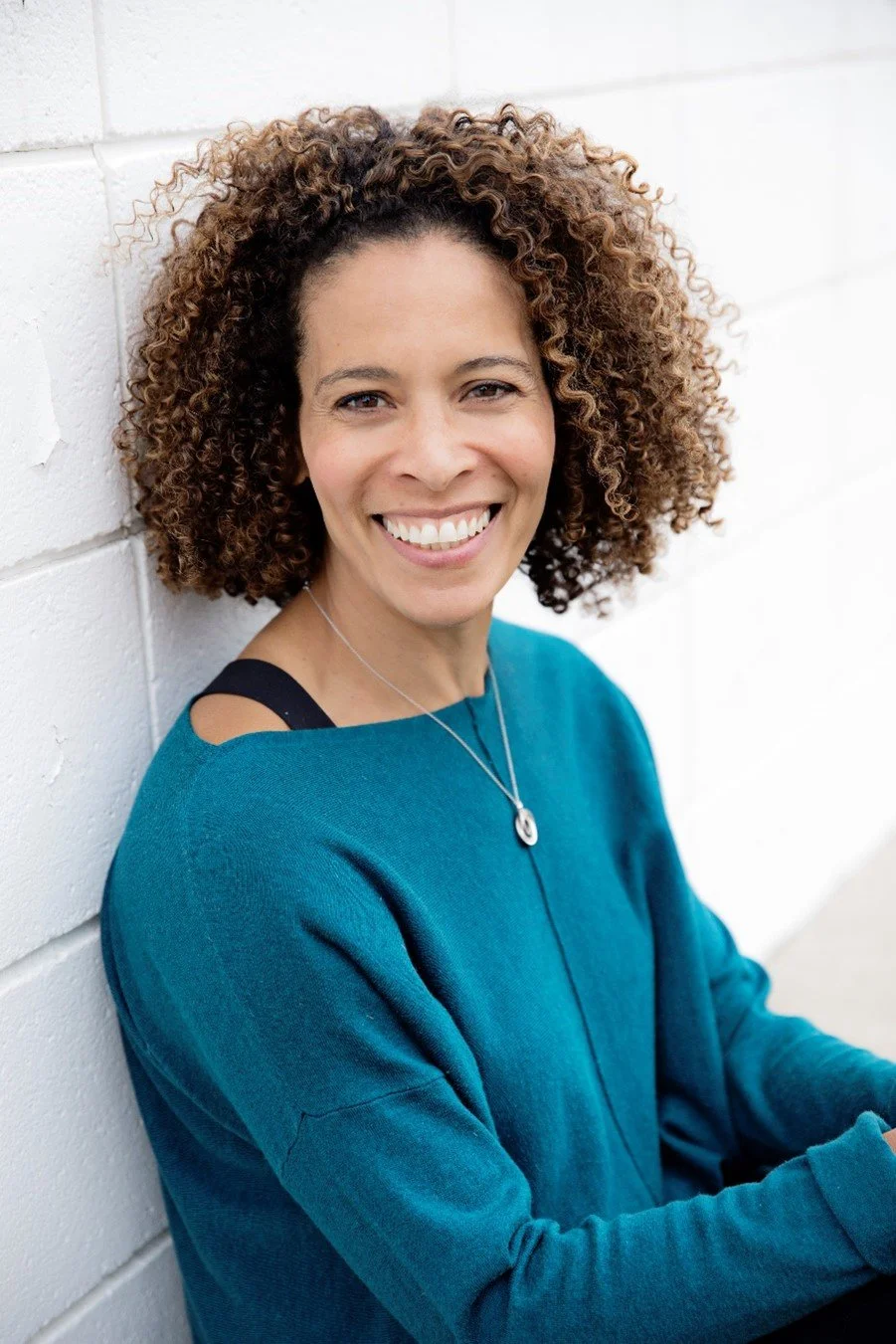
COMMUNITY BLOG CONTRIBUTOR
Tasha Belix
First-hand, Tasha can tell you that healing is possible. Having experienced the impact of mental health challenges and addiction within her own family, Tasha dedicated the past 25 years to helping others break patterns and heal from trauma.
As the mother of three spicy young women, she knows how helpful it is to have an expert hand in supporting your favourite people.
Off the clock, you can often find her running, hiking, snowboarding, or serving on the tennis court.